
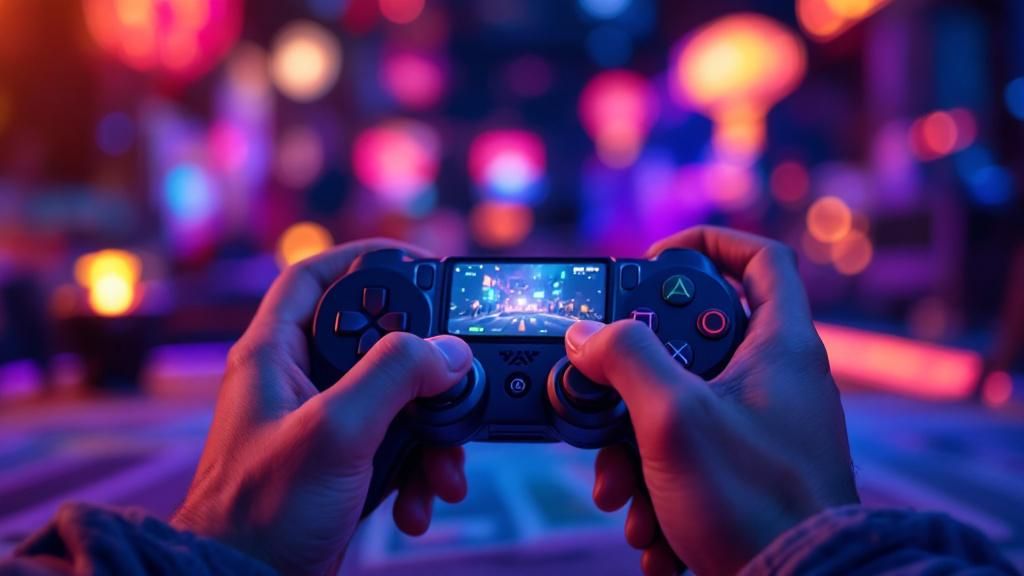
For numerous disabled gamers worldwide, accessibility features have revolutionised gaming from an unrealistic prospect into an practical possibility. Mobile games, in particular, have become progressively welcoming, offering adjustable input options, visual and audio adjustments, and subtitle options that create equal opportunities. This article explores how these essential features are allowing disabled players to experience mainstream titles alongside their non-disabled peers, whilst considering the sector’s increasing dedication to universal accessibility and the significant effect accessibility has on gaming populations.
The Importance of Accessibility in Gaming
Accessibility in gaming constitutes far more than a mere convenience feature; it is a essential entitlement that permits millions of people with disabilities to take part in interactive media. Without proper accessibility provisions, countless potential gamers are excluded from experiences that players without disabilities regard as normal. By adopting inclusive design practices such as customisable controls, variable font options, and descriptive audio, developers create pathways for players with disabilities to engage with the identical games their peers enjoy, building true community spirit within the interactive entertainment industry.
The significance of accessible gaming extends beyond individual enjoyment, delivering broader social and economic benefits. When game developers prioritise accessibility, they substantially increase their reach, whilst simultaneously fostering an inclusive environment that advantages all players. Mobile games have become particularly powerful vehicles for this shift, offering flexible platforms where inclusive functionality can be naturally incorporated. This inclusive approach demonstrates that inclusive design and commercial gaming are not mutually exclusive concepts, but rather complementary elements that enhance the overall quality and reach of gaming experiences for all players.
Important Accessible Options for Mobile Games
Modern mobile games incorporate a comprehensive range of accessibility features intended to accommodate players with different abilities and disabilities. These features encompass visual, audio, motor, and cognitive considerations, allowing developers to build inclusive gaming experiences that maintain quality or entertainment value. From flexible interfaces to responsive controls, these tools enable disabled gamers to interact with mainstream titles on their own terms, promoting a more inclusive and varied gaming environment for all players.
Visual Accessibility Options
Colour blindness impacts millions of players worldwide, making colour-coded game mechanics challenging. Mobile games increasingly feature colourblind modes that adjust palettes to ensure essential visual details stay distinguishable. Furthermore, high contrast settings, enlarged text options, and adjustable interface scaling allow players with reduced vision to navigate menus and game interaction with ease. These visual adjustments ensure that vision loss or colour vision deficiency doesn’t prevent participation in game content.
Screen reader integration constitutes a key visual accessibility feature, allowing blind and severely visually impaired players to enjoy mobile games through narrated audio and tactile responses. Developers are progressively adopting text-to-speech functionality, narrative audio descriptions, and user-friendly menu systems that function effectively with support software. These innovations illustrate how careful design thinking can ensure gaming remains inclusive, enabling sight-impaired players to enjoy story-driven content, tactical gameplay, and competitive features.
Sound and Hearing Accommodations
Deaf and hard-of-hearing players require comprehensive subtitle and captioning systems to fully engage with mobile games. Current accessible titles provide not only spoken dialogue captions but also informative captions indicating sound effects, music cues, and directional audio information. Customizable caption size, colour, and position ensure readability without blocking gameplay, whilst visual audio cue systems substitute for sound-based gameplay features fully.
Beyond subtitles, haptic feedback and visual notifications have transformed audio accessibility in smartphone games. Haptic signals can convey important audio information, from nearby opponent locations to success alerts, enabling deaf players to receive crucial gameplay feedback. Alongside customisable audio tones and mono audio options for players with single-sided deafness, these capabilities create truly accessible audio environments that accommodate diverse hearing abilities.
How Development teams Are Adopting Accessible design principles
Prominent game developers have recognised that accessible design benefits all players, not simply those with accessibility needs. Studios are now embedding inclusive design principles from the outset of development, rather than handling them as afterthoughts. This fundamental shift in approach has led to more intuitive interfaces, customisable gameplay mechanics, and flexible control schemes that cater to varied player requirements. By prioritising accessibility during the development stage, developers design games that are inherently more enjoyable and accessible for everyone.
Many studios collaborate directly with disabled gamers and accessibility specialists to ensure their implementations are authentically impactful. These partnerships have yielded innovations such as gaze-based input systems, speech recognition technology, and adaptive difficulty settings that adapt in real-time to individual player abilities. Big industry publishers now employ specialist accessibility departments, whilst sector-wide standards and frameworks—such as the Game Accessibility Guidelines—provide detailed frameworks for deployment. This team-focused strategy guarantees that accessibility options meet genuine requirements rather than depending on assumptions about the needs of disabled gamers.
The commercial and critical success of accessible games has demonstrated that accessible design is commercially viable. Products with strong accessibility support have drawn larger audiences and garnered considerable praise from both critics and players. This success has motivated further investment in accessibility features across the industry. As additional studios observe the strong reception and broader market appeal that inclusive design offers, the push for accessible design gathers pace, indicating an ever more inclusive gaming landscape for players with disabilities worldwide.
